Rafting: A New Style of Handwritten Script Font for Modern Elegance
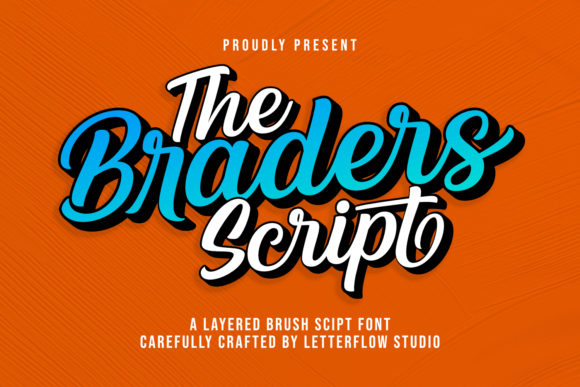
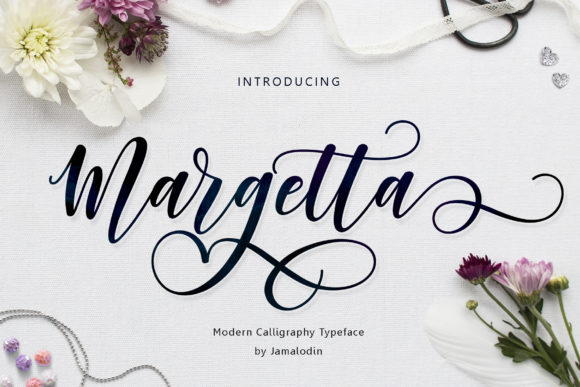
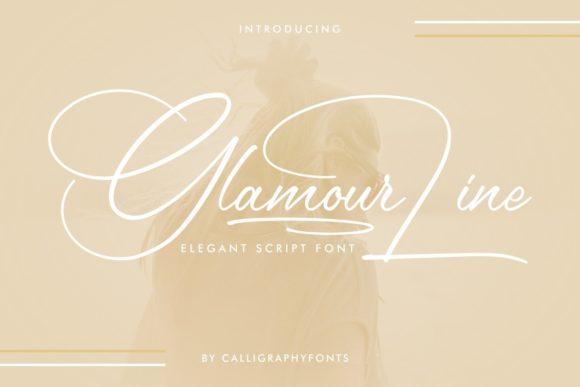
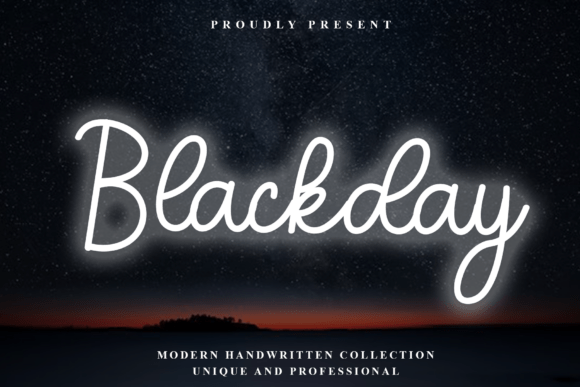
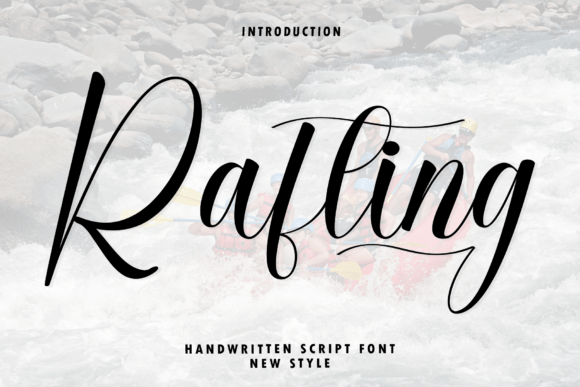
Rafting is more than just a recreational activity—it’s also a distinctive handwritten script font that brings a fresh, elegant aesthetic to design work. With its fluid, signature-like motion and balanced structure, Rafting offers a unique visual language that blends sophistication with creativity. This font isn’t just about aesthetics; it’s about crafting a narrative through typography that resonates with modern elegance.
The Essence of Rafting as a Design Element
At its core, Rafting is defined by its graceful, sweeping loops and tall ascenders. These elements create a rhythmic flow that mimics the natural movement of handwriting, making it feel both personal and refined. Unlike traditional serif or sans-serif fonts, Rafting introduces a level of artistry that elevates text from being merely readable to becoming visually expressive.
This font is particularly well-suited for applications where a touch of class and individuality is desired. Whether it's branding for luxury goods, wedding invitations, editorial content, or creative projects, Rafting adds an unmistakable sense of sophistication that stands out in a sea of standard typefaces.
Where Rafting Fits Into the Creative Process
Rafting can be integrated into various stages of a project, depending on the goals and needs of the designer or brand. Before a project begins, using Rafting in concept sketches or mood boards can help set a tone of elegance and refinement. It can also serve as a signature element in logos, reinforcing brand identity with a handcrafted look.
During the execution phase, Rafting can be used for headlines, taglines, or key messages that require a touch of personality. Its fluid nature makes it ideal for headlines that need to stand out while maintaining readability. In post-production, it can be applied to final touches such as headers, captions, or call-to-action buttons, adding a final layer of style without overwhelming the design.
Use Cases for Rafting in Real-World Applications
- Luxury Branding: Rafting enhances high-end product packaging, advertisements, and promotional materials with a refined, artistic edge.
- Wedding Stationery: The font’s elegance makes it perfect for invitations, programs, and thank-you notes, offering a personal yet sophisticated feel.
- Editorial Content: For magazines, blogs, or newsletters, Rafting adds a creative flair to headlines and quotes, drawing readers in with its visual rhythm.
- Personal Projects: Whether it's a handmade journal, a custom letter, or a digital portfolio, Rafting allows for a unique expression of style and personality.
How Rafting Interacts with Other Tools and Resources
Rafting works best when paired with other design tools and resources that support its aesthetic. Digital design platforms like Adobe Illustrator or Photoshop allow for precise control over how the font is applied, ensuring it maintains its integrity across different formats. Similarly, web development tools like HTML and CSS enable seamless integration of Rafting into websites, provided the font is properly embedded or licensed.
When working with other typographic styles, it’s important to maintain balance. Rafting should be used sparingly to avoid overwhelming the overall design. Pairing it with clean, modern sans-serif fonts can create a striking contrast that highlights the elegance of Rafting without sacrificing readability.
Practical Tips for Using Rafting Effectively
- Start Small: Use Rafting for headings or short phrases rather than entire paragraphs to preserve clarity and maintain a professional look.
- Test Compatibility: Ensure the font works well across different devices and platforms, especially if it will be used online. Consider embedding it via web fonts or purchasing a license for commercial use.
- Balance with Layout: Use white space and negative space to complement the fluidity of Rafting, allowing the design to breathe and the font to shine.
- Customize When Needed: Some versions of Rafting may offer variations or customization options, which can be useful for tailoring the font to specific brand identities or design themes.
Integration into Workflows and Daily Routines
For professionals who rely on consistent, high-quality design output, integrating Rafting into their workflow requires careful planning. If you’re a marketer, entrepreneur, or content creator, consider using Rafting as part of your brand toolkit. It can be applied to social media graphics, email signatures, or presentation slides to add a unique visual element that aligns with your brand’s personality.
For educators or bloggers, Rafting can be used in course materials, blog headers, or newsletter templates to create a more engaging and personalized experience for your audience. It’s not just about aesthetics—it’s about creating a connection between the content and the reader through thoughtful design choices.
Factors to Consider When Implementing Rafting
- Preparation: Understand the context in which Rafting will be used and ensure it aligns with the overall design vision.
- Compatibility: Check that the font works across all intended platforms and mediums, including print and digital.
- Usability: Make sure the font remains legible at different sizes and in various color schemes.
- Consistency: Use Rafting consistently within a project to maintain a cohesive visual identity.
- Quality Control: Always review designs using Rafting to ensure the font is applied correctly and enhances rather than detracts from the message.
Long-Term Use and Adaptation
Rafting is not a one-size-fits-all solution, but with the right approach, it can become a valuable asset in your design repertoire. As your projects evolve and your brand grows, so too can your use of Rafting. Experiment with different applications, combine it with other fonts, and refine your approach based on feedback and results.
Ultimately, the goal of using Rafting is to elevate the visual experience without compromising clarity or functionality. By understanding its strengths and limitations, you can integrate it seamlessly into your workflow and create designs that reflect both style and substance.