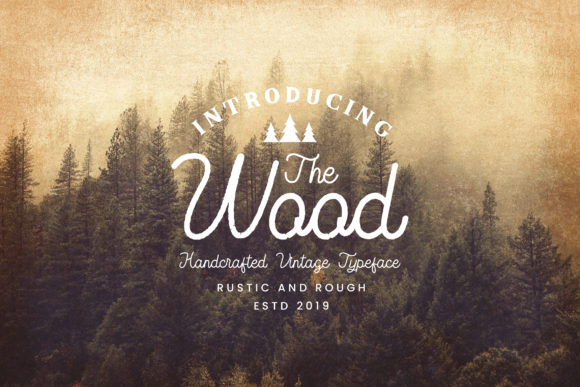
The Wood: A Versatile Handwritten Font for Creative Expression
The Wood is more than just a font—it’s a visual language that brings creativity to life. With its delicate, elegant, and flowing design, The Wood offers a unique blend of artistry and functionality that appeals to a wide range of users. Whether you're designing a logo, crafting a website, or creating content for social media, The Wood can help elevate your project with its beautifully balanced characters and expressive style.
What Makes The Wood Stand Out?
The Wood is designed to be both visually appealing and highly adaptable. Its characters are carefully crafted to maintain readability while retaining the organic feel of handwritten text. This balance makes it suitable for a variety of applications, from branding to digital content creation.
One of the most notable features of The Wood is its flowing script. Each letter connects smoothly, giving the text a natural rhythm that feels alive. This characteristic is especially useful for creative projects where a sense of movement and personality is desired.
Additionally, The Wood maintains a consistent weight and proportion across all characters, ensuring that the text remains legible even when used in larger formats or at smaller sizes. This makes it a reliable choice for both print and digital media.
Who Benefits from Using The Wood?
The Wood is ideal for a broad audience, including:
- Creatives: Artists, designers, and writers who want to add a personal touch to their work.
- Business owners: Those looking to create logos, brand materials, or marketing assets with a distinctive visual identity.
- Online users: Bloggers, social media creators, and content producers who want to enhance the aesthetic of their posts.
- Professionals: Individuals in fields such as graphic design, web development, and copywriting who value both form and function.
Its versatility means that The Wood can be used in a wide range of contexts, making it a valuable tool for anyone looking to express themselves through design.
Where Can You Use The Wood?
The Wood is not limited to any specific medium or platform. It can be applied to:
- Print materials: Brochures, invitations, greeting cards, and other physical documents that benefit from a handwritten feel.
- Digital content: Websites, blogs, email signatures, and social media posts where a personal and artistic touch is needed.
- Branding: Logos, packaging, and promotional materials that aim to stand out with a unique visual identity.
- Artistic projects: Illustrations, scrapbooking, and other creative endeavors where typography plays a key role.
Whether you're working on a small personal project or a large-scale business initiative, The Wood can help you achieve a cohesive and visually engaging result.
Strengths and Limitations of The Wood
Like any font, The Wood has its strengths and limitations. Understanding these can help you determine whether it's the right choice for your project.
Strengths:
- Elegant and expressive: The fluidity and elegance of The Wood make it perfect for creative and artistic purposes.
- High readability: Despite its decorative nature, The Wood remains highly readable, even at smaller sizes.
- Adaptable: It works well in both digital and print formats, offering flexibility for various uses.
- Unique character: Its distinct style helps your content stand out and makes it more memorable.
Considerations:
- Not suitable for formal or technical content: While The Wood is beautiful, it may not be the best choice for documents that require a more professional or structured appearance.
- May require customization: In some cases, you might need to adjust spacing or kerning to ensure optimal readability.
- Limited use in long-form text: Due to its flowing nature, The Wood is better suited for short phrases, headings, or accents rather than lengthy paragraphs.
By understanding these factors, you can make an informed decision about when and how to use The Wood effectively.
Real-World Applications of The Wood
To better understand how The Wood can be applied in practice, let's look at a few real-world examples:
Example 1: Branding
A boutique coffee shop might use The Wood in its logo and packaging to create a warm, inviting atmosphere. The font's elegant flow adds a personal touch, making the brand feel more approachable and unique.
Example 2: Social Media Content
A lifestyle influencer could incorporate The Wood into their Instagram captions or story headers to give their posts a more artistic and personalized feel. This helps them stand out in a crowded digital space.
Example 3: Website Design
A creative agency might use The Wood for headlines or call-to-action buttons on their website. The font's visual appeal enhances the overall design without overwhelming the user.
These examples illustrate how The Wood can be tailored to fit different needs and audiences, making it a versatile addition to any designer's toolkit.
Evaluating Suitability for Your Needs
Before choosing The Wood, consider the following questions to determine if it aligns with your project goals:
- Is the primary purpose of the text to convey information, create a mood, or express creativity?
- Will the font be used in a formal setting, a creative project, or a casual online space?
- Do you need a font that is easy to read, or one that adds a unique visual element?
- Are there any specific design constraints or requirements that need to be met?
By answering these questions, you can better assess whether The Wood is the right choice for your project and how it can be best utilized.
In conclusion, The Wood is a remarkable font that combines beauty, functionality, and adaptability. Whether you're a designer, a business owner, or a creative individual, it offers a powerful way to bring your ideas to life. By understanding its features, strengths, and limitations, you can confidently incorporate The Wood into your work and create something truly unique.