Bomdia: A Handwritten Script Font for Creative Design
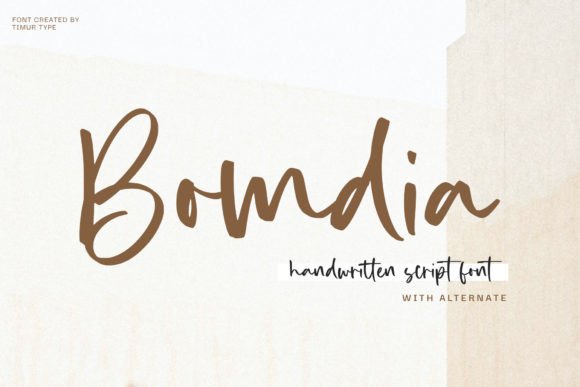
Bomdia is a fresh and stylish handwritten script font that brings a unique aesthetic to any design project. Designed with an artistic flair, it offers a versatile option for branding, logos, and quotes. Its elegant curves and fluid strokes make it stand out in a crowded market of fonts. But what sets Bomdia apart from other script fonts? Understanding its strengths, limitations, and ideal use cases can help designers choose the right tool for their needs.
What Makes Bomdia Unique?
Bomdia is more than just another script font—it’s a carefully crafted design that balances elegance with readability. Each letter is designed with a distinct personality, ensuring that every character feels intentional and expressive. This attention to detail makes Bomdia particularly well-suited for creative projects where visual impact is key.
The font's handwritten style gives it a personal touch, making it ideal for logos, social media graphics, and promotional materials. Unlike some overly stylized fonts that can be difficult to read, Bomdia maintains a level of legibility that works well in both digital and print formats. Its versatility allows it to adapt to various design contexts without losing its charm.
Comparing Bomdia to Similar Fonts
When evaluating Bomdia, it’s helpful to consider how it stacks up against other popular script fonts. While many script fonts focus on bold, decorative styles, Bomdia takes a more refined approach. For example, fonts like Great Vibes or Orbitron offer strong visual appeal but may lack the subtle intricacies found in Bomdia.
Bomdia shares similarities with fonts like Dancing Script, which also emphasizes fluidity and movement. However, Bomdia’s design avoids the over-the-top embellishments that can sometimes make similar fonts feel cluttered. Instead, it focuses on clean lines and a natural flow, making it more adaptable to different design scenarios.
For those looking for something more structured, fonts like Playfair Display or Merriweather offer a more traditional serif look. These fonts are excellent for body text and formal documents, but they lack the creative flair that Bomdia provides. In this sense, Bomdia fills a niche that bridges the gap between decorative and functional typography.
Strengths and Limitations of Bomdia
One of Bomdia’s greatest strengths is its ability to convey emotion through design. The fluid, handwritten nature of the font can evoke feelings of warmth, creativity, and authenticity. This makes it an excellent choice for branding campaigns, event invitations, and social media content.
Additionally, Bomdia is highly customizable. It supports multiple weights and styles, allowing designers to tailor the font to fit specific needs. Whether you're looking for a bold, eye-catching look or a more subtle, refined appearance, Bomdia offers flexibility without sacrificing quality.
However, like any script font, Bomdia has its limitations. Its decorative nature means it may not be the best choice for long-form text or technical documents. The font’s intricate details can also make it less suitable for small sizes or low-resolution displays, where clarity becomes a concern.
When to Choose Bomdia
Bomdia is an ideal choice when the goal is to create a visually striking design that stands out. It excels in situations where the message needs to be both beautiful and memorable. For instance, it works exceptionally well for:
- Logos and Branding: The unique, handcrafted look of Bomdia can help a brand establish a distinct identity.
- Social Media Graphics: Its eye-catching style is perfect for Instagram posts, Twitter headers, and other online content.
- Event Invitations: The elegance and warmth of Bomdia make it a great fit for wedding invites, concert posters, and other special occasion designs.
- Quotes and Sayings: Whether it's a motivational quote or a tagline, Bomdia adds a personal touch that enhances the message.
It’s also worth noting that Bomdia performs best when used in moderation. Overusing the font in large blocks of text can lead to readability issues. Instead, it should be reserved for headlines, titles, and other short-form content where its visual impact can shine.
Alternatives to Consider
While Bomdia has its strengths, there are situations where alternative fonts may be more appropriate. For example:
- Formal Documents: If your project requires a more professional tone, consider using a serif or sans-serif font like Georgia or Arial.
- Technical Writing: For reports, articles, or instructional materials, a clean, readable font such as Helvetica or Times New Roman is often preferred.
- Minimalist Designs: If you’re aiming for a sleek, modern look, fonts like Roboto or Open Sans offer a more understated aesthetic.
Each font has its own purpose, and the best choice depends on the context of the project. Bomdia is not a one-size-fits-all solution, but it excels in creative and expressive applications where visual storytelling is important.
Making an Informed Decision
Choosing the right font involves more than just aesthetics—it requires considering factors like readability, compatibility, and overall design goals. Bomdia is a strong contender for projects that prioritize creativity and visual appeal, but it’s not always the best fit for every situation.
Designers should evaluate their specific needs before committing to a font. If the goal is to create a memorable, artistic piece, Bomdia could be the perfect choice. However, if clarity and professionalism are more important, other options might be better suited to the task.
Ultimately, the decision comes down to understanding the purpose of the design and selecting a font that aligns with that vision. Bomdia offers a compelling combination of beauty and functionality, making it a valuable addition to any designer’s toolkit.