Jelly Fish Handwritten Font: A Modern Solution for Creative Design
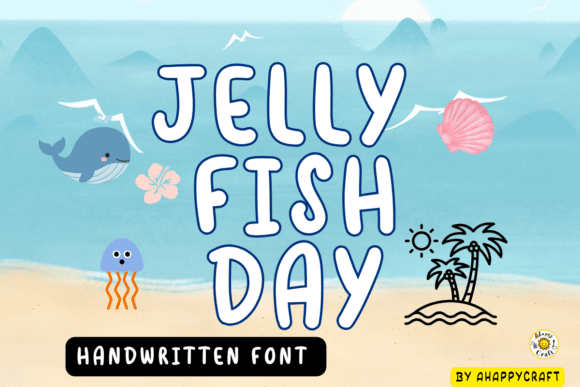
In the ever-evolving world of design, the right font can make all the difference. Jelly Fish is a handwritten font that stands out for its clean, neat, and cute aesthetic. Designed with versatility in mind, it’s more than just a typographic choice—it's a tool that bridges creativity and functionality. Whether you're crafting educational materials, planning a creative project, or building a brand, Jelly Fish offers a fresh and friendly alternative to traditional fonts.
The Rise of Handwritten Fonts in Digital Design
Handwritten fonts have gained popularity as designers seek to add personality and warmth to their work. In an age where digital content dominates, the human touch is more valuable than ever. Jelly Fish taps into this trend by offering a style that feels both modern and nostalgic. Its clean lines and playful curves are perfect for balancing readability with charm.
This font is especially relevant in today’s creative landscape, where users demand visual variety and emotional connection. From social media graphics to printables, the ability to convey a sense of warmth and approachability through typography has become a key factor in design success. Jelly Fish meets this need by providing a versatile option that works across multiple platforms and mediums.
Why Jelly Fish Stands Out in a Crowded Market
While there are many handwritten fonts available, Jelly Fish distinguishes itself through its thoughtful design and practical features. The font maintains clarity while still retaining a handcrafted feel, making it ideal for both digital and print projects. This balance is crucial for creators who want to maintain legibility without sacrificing style.
One of the standout aspects of Jelly Fish is its adaptability. It works well for a wide range of applications, from coloring pages and activity books to classroom worksheets and greeting cards. Its uppercase alphabet is particularly useful for signage, labels, and branding. For educators and entrepreneurs alike, this font offers a simple yet effective way to enhance their visual content.
Practical Applications Across Industries
- Education: Teachers can use Jelly Fish to create engaging classroom materials that feel more personal and inviting.
- Branding: Small businesses and Etsy sellers can leverage this font to build a cohesive brand identity that resonates with their audience.
- Crafting: Whether you're designing stickers, planner templates, or invitations, Jelly Fish adds a touch of charm that appeals to both kids and adults.
- Digital Projects: With support for design software like Canva, Cricut Design Space, and Procreate, this font is accessible to a broad range of creators.
Its compatibility with cutting machines and printing tools also makes it a great choice for those working with physical products. The font’s clean structure ensures that it performs well when used in cut-and-paste projects, reducing the risk of issues during production.
Design Trends and User Expectations
As digital design continues to evolve, user expectations are shifting toward more personalized and emotionally engaging content. Jelly Fish aligns perfectly with these trends by offering a font that feels authentic and approachable. It’s not just about aesthetics—it’s about creating a connection between the viewer and the message.
Modern workflows often require fonts that are easy to integrate and use. Jelly Fish fits this need by being compatible with a wide range of design tools and formats. Its instant digital download format makes it convenient for creators who need quick access to high-quality resources.
Additionally, the growing interest in DIY and handmade content has fueled demand for fonts that support creative expression. Jelly Fish caters to this market by providing a style that feels both professional and personal. It’s a font that speaks to the heart of what many creators value most: authenticity and simplicity.
Real-World Use Cases
Consider a small business owner looking to launch a line of children’s printables. By using Jelly Fish, they can create designs that feel warm and welcoming, encouraging engagement and repeat purchases. Similarly, an educator might use this font to develop interactive learning materials that stand out in a crowded market.
For hobbyists and independent creators, Jelly Fish offers a reliable tool that enhances the quality of their work without requiring advanced technical skills. It’s a font that supports both beginners and experienced designers, making it a valuable addition to any creative toolkit.
Conclusion
Jelly Fish is more than just a font—it’s a design solution that reflects the evolving needs of today’s creators. Its clean, cute, and friendly style makes it suitable for a wide range of applications, from education to branding. As the demand for personalized and emotionally engaging content continues to grow, fonts like Jelly Fish will play an increasingly important role in shaping the visual language of the digital world.