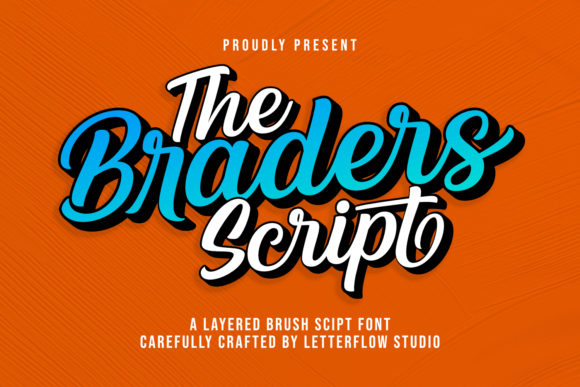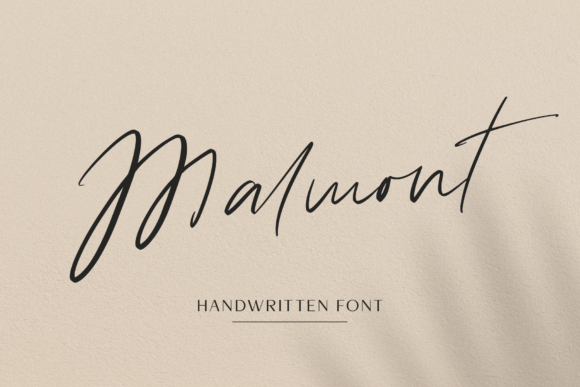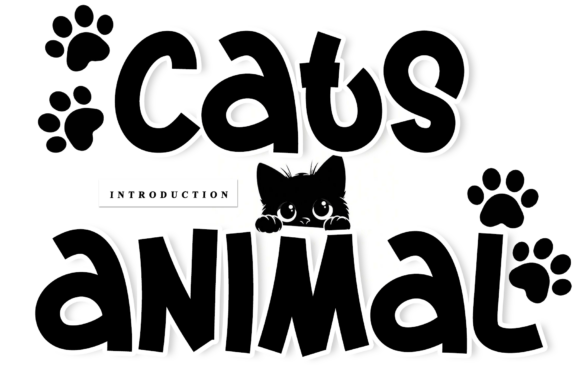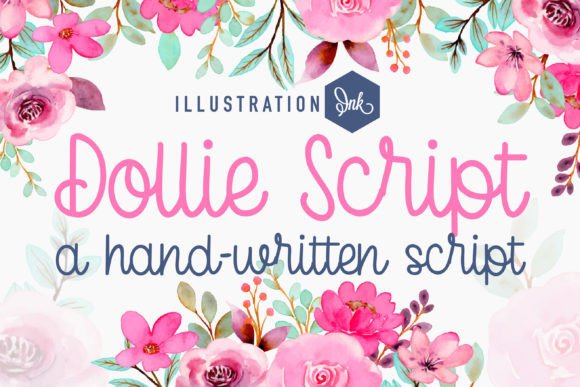
Difficulty and Difficulty: A Timeless Handwritten Font for Design and Branding
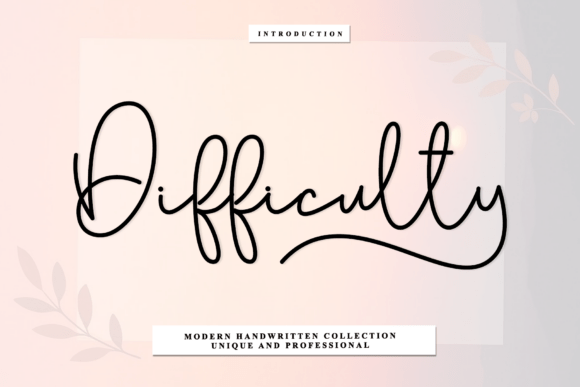
When it comes to creating eye-catching logos, branding elements, or elegant quotes, the choice of font can make all the difference. Difficulty, a beautifully crafted handwritten font, stands out as a versatile and timeless option that adds character and personality to any design. Its unique strokes and flowing lines offer a handcrafted feel that feels both modern and classic. Whether you're a designer, marketer, or small business owner looking to elevate your brand’s visual identity, Difficulty is worth considering.
Why Choose Difficulty?
Difficulty isn’t just another font—it's an experience. Each letter is designed with care, giving it a distinct and artistic touch that sets it apart from more standard sans-serif or serif fonts. This makes it particularly well-suited for projects where a personal, creative, or nostalgic vibe is desired. From logos and taglines to social media posts and print materials, Difficulty can help your message stand out in a crowded digital landscape.
One of the key reasons people are drawn to Difficulty is its versatility. It works well across various mediums, whether you're designing for web, print, or even physical signage. Its legibility remains strong despite its decorative style, which is crucial for maintaining clarity and professionalism in communication.
Common Mistakes When Using Difficulty
Despite its appeal, many users make mistakes when selecting or using Difficulty. One of the most common errors is assuming that because a font looks good on screen, it will also look great in print. This oversight can lead to issues with resolution and clarity when the design is printed at a larger scale. Always preview your design in different formats and sizes before finalizing it.
Another frequent mistake is not considering the context in which the font will be used. For example, using Difficulty for body text in a long-form article may reduce readability compared to a more structured font like Arial or Helvetica. It’s important to match the font’s style with the content’s purpose and audience expectations.
Some users also overlook the importance of pairing Difficulty with complementary fonts. While it can be used as a standalone typeface, combining it with a clean, modern font can create a balanced and professional look. This is especially useful for headers and subheadings where contrast is needed.
Misunderstandings About Difficulty
There's a common misconception that Difficulty is only suitable for certain types of designs. In reality, its adaptability allows it to work in a wide range of applications—from minimalist branding to bold, artistic posters. However, it’s essential to understand how the font behaves in different environments to avoid unexpected results.
Additionally, some people assume that because Difficulty is a handwritten font, it lacks professionalism. This is a misunderstanding. The beauty of a handwritten font lies in its ability to convey warmth, creativity, and individuality, which can actually enhance a brand’s image rather than detract from it.
How These Mistakes Can Affect Your Work
Mistakes in choosing or applying Difficulty can have several negative impacts. Poorly chosen fonts can reduce the overall quality of your design, making it less appealing to your target audience. They can also affect the perception of your brand, leading to confusion or a lack of trust.
For instance, if you use Difficulty for a formal document or corporate presentation without proper formatting, it may come off as unprofessional or overly casual. This could undermine the credibility of your message and diminish the effectiveness of your communication.
On the flip side, using the wrong font in a creative project might prevent your design from standing out. If you’re aiming for a modern, sleek aesthetic but choose a font that feels outdated or too ornate, your message may not resonate with your audience.
Practical Tips for Using Difficulty Effectively
To get the most out of Difficulty, start by understanding its strengths and limitations. Here are a few practical tips:
- Test in different contexts: Preview your design in various formats—web, print, and mobile—to ensure consistency and clarity.
- Pair wisely: Combine Difficulty with a contrasting, readable font for body text to maintain balance and readability.
- Use it strategically: Apply Difficulty to headlines, logos, or short phrases where its artistic flair can shine without overwhelming the reader.
- Check licensing: Ensure that you have the proper rights to use Difficulty in your project, especially if you're planning to sell or distribute the design.
By taking these steps, you can avoid common pitfalls and create designs that are both visually engaging and functionally effective.
What to Check Before Using Difficulty
Before finalizing your design with Difficulty, consider the following:
- Font compatibility: Ensure that the font works well across different platforms and devices.
- Resolution and scaling: Test how the font appears at different sizes and resolutions, especially for print.
- Brand alignment: Confirm that the font aligns with your brand’s identity and messaging.
- Accessibility: Make sure the font is legible for all users, including those with visual impairments.
- Cost and licensing: Be aware of any associated costs or restrictions related to the font’s usage.
By addressing these factors, you can ensure that your use of Difficulty enhances your design rather than complicates it.