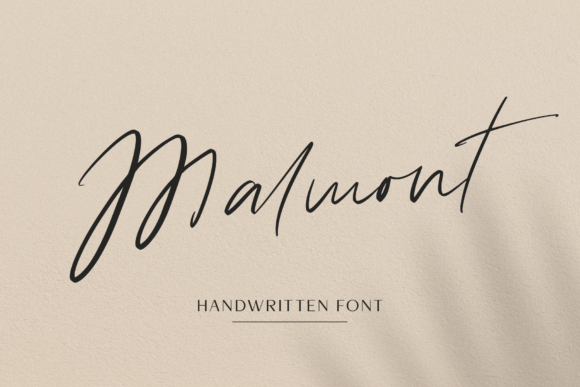
Malmont: A Timeless Handwritten Font for Versatile Design
Malmont is a handwriting font that captures the essence of elegance and fluidity. With its flowing lines and relaxed feel, it's designed to be both stylish and functional. Whether you're creating invitations, branding materials, or digital content, Malmont offers a unique aesthetic that can elevate your designs. Its versatility makes it a popular choice among designers, marketers, and creators looking for a touch of personality in their work.
Why Malmont Stands Out
What sets Malmont apart is its ability to blend sophistication with approachability. The font features a varying baseline, which allows for natural movement and visual interest. This characteristic makes it ideal for both formal and informal applications. Additionally, Malmont is PUA encoded, giving users access to all glyphs and swashes. This feature is particularly valuable for those who want to customize their text or use special characters without limitations.
The smooth lines and gorgeous glyphs contribute to Malmont’s overall appeal. It's not just about appearance—it's also about readability and usability. The font maintains clarity even at smaller sizes, making it suitable for a wide range of design purposes. From logos to social media posts, Malmont adapts well to different contexts, offering a consistent and professional look.
Common Mistakes When Using Malmont
While Malmont is a fantastic choice, there are several common mistakes people make when selecting and using it. One frequent error is assuming that because it's a handwritten font, it will automatically fit every project. In reality, Malmont works best in specific scenarios. For instance, using it for body text in a long-form document may lead to readability issues due to its decorative nature.
Another mistake is overlooking the importance of proper licensing. Many users download fonts from unverified sources, which can result in legal complications. Always ensure that you are using Malmont through a legitimate provider, such as Google Fonts or a trusted font store. This step is crucial for maintaining compliance and protecting your work.
Additionally, some designers fail to consider the font's character set. While Malmont includes a variety of glyphs and alternates, not all characters may be available by default. Before finalizing a design, it's wise to check if the necessary symbols or accents are present. This ensures that your text appears as intended across different platforms and devices.
How These Mistakes Can Affect Your Work
Making these errors can have a significant impact on your design outcomes. Poor readability can lead to confusion or misinterpretation of your message, especially in professional settings. Legal issues arising from improper licensing can damage your reputation and lead to costly consequences. Lastly, missing characters or glyphs can create an incomplete or unprofessional appearance, undermining the quality of your work.
Practical Tips for Using Malmont Effectively
To avoid these pitfalls, start by understanding the strengths and limitations of Malmont. Use it as a headline or accent font rather than for large blocks of text. This approach highlights its beauty while maintaining legibility. When working on a project, always preview your design in different formats and sizes to ensure consistency.
Before downloading or purchasing Malmont, verify the license terms. Some fonts come with restrictions on commercial use, so it's essential to know what you're allowed to do. If you're unsure, opt for a font that offers clear and flexible licensing options. This way, you can confidently use Malmont in both personal and professional projects.
Finally, take advantage of the PUA encoding feature. This allows you to access additional glyphs and swashes, giving you more creative freedom. Experiment with different variations to find the perfect match for your design needs. By doing so, you'll unlock the full potential of Malmont and enhance the visual impact of your work.
What to Check Before Making a Decision
Before committing to Malmont, consider the following factors. First, assess the purpose of your design. Is it meant for branding, marketing, or personal use? Understanding your goals will help you determine whether Malmont is the right fit. Next, evaluate the platform where you'll be using the font. Ensure compatibility across different operating systems and software applications.
Also, review the font's character set to confirm that it includes the necessary symbols and accents. If you're working on a multilingual project, this is especially important. Lastly, compare Malmont with other similar fonts to see if it offers any unique advantages. This comparison can help you make an informed decision and choose the best option for your needs.
By taking these steps, you'll be better equipped to use Malmont effectively and avoid common mistakes. Remember, the key to success lies in understanding the font's capabilities and limitations while making thoughtful choices that align with your design objectives.