Naymar: A Handwritten Font for Creative and Professional Workflows
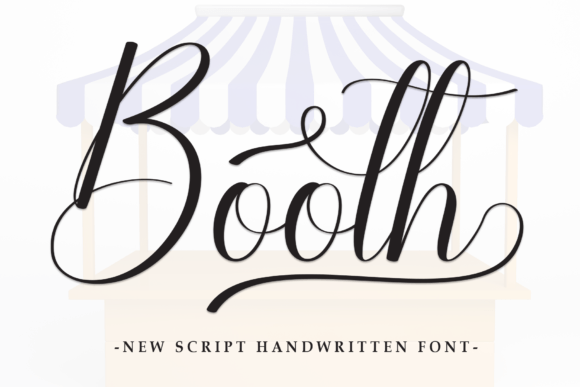
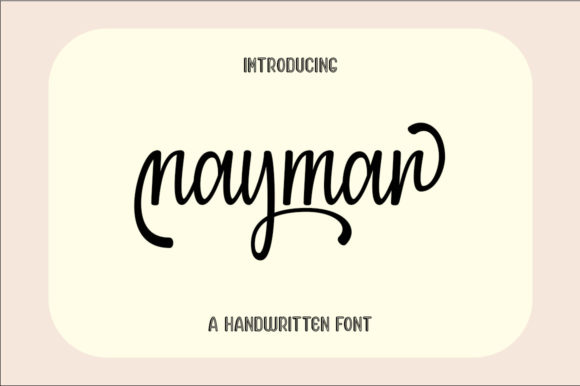
Naymar is a beautifully crafted handwritten font that brings a personal touch to digital content. Designed with elegance and fluidity, it's more than just a typographic choice—it's a tool that can enhance the way professionals, creators, and entrepreneurs approach their work. Whether you're designing a greeting card, crafting a headline, or branding a new project, Naymar offers a versatile solution that fits seamlessly into various workflows.
What Makes Naymar Unique?
Naymar stands out due to its enchanting script style and PUA (Private Use Area) encoding. This feature allows users to access all glyphs and swashes, making it highly customizable. For designers and writers who need flexibility, this means more options to match the tone and style of their projects. The font’s design balances readability with artistic flair, ensuring it remains functional even in longer texts.
Its handwritten nature gives it a warm, personal feel, which is especially useful for creative professionals looking to add a human touch to their digital outputs. Whether you're creating social media graphics, product packaging, or educational materials, Naymar can elevate the visual appeal without compromising clarity.
Where Does Naymar Fit Into a Workflow?
Naymar is not just a decorative element—it’s a practical asset that can be integrated at multiple stages of a project. Before starting a design, using Naymar for sketching ideas or brainstorming can help visualize concepts in a more organic way. During the design phase, it can serve as a primary typeface for headlines, callouts, or signatures, adding a unique identity to your work.
In the post-production stage, Naymar can be used for final touches like logos, invitations, or promotional materials. Its adaptability makes it suitable for both small-scale creative tasks and large-scale business applications. For instance, a marketer might use it for campaign headers, while an educator could incorporate it into lesson plans or handouts.
Use Cases Across Industries
- Marketing and Branding: Naymar can be used for brand storytelling, social media posts, and promotional banners. Its elegant script adds sophistication and memorability to brand messaging.
- Education and Learning: Teachers and content creators can use it to highlight key points, create visually engaging slides, or craft interactive learning materials.
- Freelancing and Content Creation: Freelancers often need fonts that are both stylish and readable. Naymar provides a balance between aesthetics and usability, making it ideal for portfolio designs, client presentations, and online content.
- Small Business Owners: From website headers to signage, Naymar can help small businesses stand out with a distinctive visual identity that reflects their personality and values.
How to Integrate Naymar Into Your Workflow
Integrating Naymar into your workflow requires thoughtful planning and consideration of how it interacts with other tools and resources. Here are some practical steps to ensure smooth implementation:
- Choose the Right Platform: Ensure that the software or platform you’re using supports PUA encoding. Most modern design tools like Adobe Illustrator, Photoshop, and InDesign offer this functionality.
- Test Compatibility: Before committing to a project, test Naymar across different devices and platforms to confirm it renders consistently. This helps avoid unexpected issues during production.
- Plan for Scalability: Consider how often you’ll need to use Naymar. If it’s a one-time project, you may not need to invest heavily in training or integration. However, if it’s part of your regular workflow, allocate time for learning and optimization.
- Organize Your Assets: Keep your font files organized in a dedicated folder. Label them clearly so you can easily locate them when needed. This helps maintain efficiency, especially when working on multiple projects simultaneously.
- Collaborate Effectively: If you’re working with a team, communicate clearly about how Naymar will be used. Provide guidelines to ensure consistency in typography across all deliverables.
Practical Tips for Using Naymar
To get the most out of Naymar, consider these tips:
- Use It Strategically: While Naymar is beautiful, it’s best suited for headings, titles, and accents rather than body text. Reserve it for elements where its visual impact is most effective.
- Combine with Other Fonts: Pair Naymar with a clean sans-serif or serif font for better readability. This creates a balanced look that works well in both print and digital formats.
- Customize When Needed: Take advantage of the PUA encoding to access additional glyphs and swashes. This allows for greater customization, especially for specialized projects or niche audiences.
- Keep Quality in Mind: Always preview your designs at different sizes and resolutions. Ensure that the font remains legible and visually appealing under various conditions.
- Stay Updated: Regularly check for updates or new features related to Naymar. Developers often release improvements that enhance performance and usability.
Long-Term Use and Sustainability
For those who plan to use Naymar long-term, consider how it fits into your broader goals and strategies. Is it a temporary project-specific tool, or does it align with your ongoing creative or professional needs? By evaluating its role in your workflow, you can determine whether it’s worth investing in for future projects.
Additionally, think about how Naymar can evolve with your skills and preferences. As you become more familiar with its capabilities, you may discover new ways to incorporate it into your routine. This adaptability ensures that it remains a valuable asset over time.
Ultimately, the key to successful integration lies in understanding how Naymar complements your existing tools and processes. With careful planning, strategic use, and continuous refinement, you can harness its full potential and enhance your creative output.