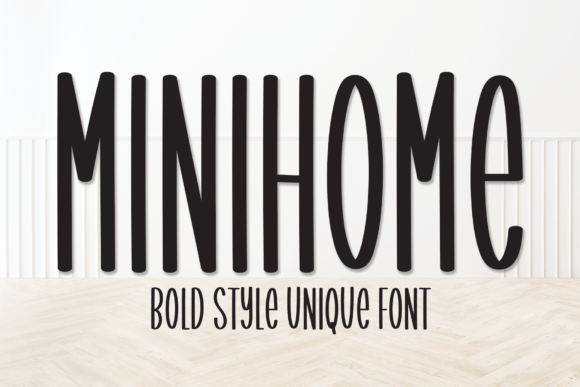
Minihome: A Handwritten Script for Creative and Professional Workflows
Minihome is a modern handwritten script font that brings a natural, stylish touch to any project requiring a personalized or artistic feel. Designed with versatility in mind, it’s not just for decorative use—it can enhance the clarity and charm of your creative output, making it more engaging and memorable. Whether you're crafting a greeting card, designing a logo, or building a brand identity, Minihome offers a unique way to express yourself without sacrificing readability.
Where Minihome Fits in the Creative Process
The creative process often involves multiple stages, from ideation to execution. Minihome can be integrated at various points depending on the project’s needs. For instance, during the brainstorming phase, using Minihome for sketching ideas or jotting down notes can help maintain a cohesive visual theme. It also works well when refining concepts, especially in scenarios where a handwritten aesthetic adds warmth and authenticity.
When designing digital content such as social media graphics or email newsletters, Minihome can elevate the overall design by adding a personal touch. Its elegant curves and fluid strokes make it ideal for headlines, quotes, and call-to-action buttons. In print-based projects like invitations or brochures, it helps create a tactile and inviting experience that stands out from standard fonts.
Practical Use Cases for Minihome
- Wedding Invitations: Minihome can transform a simple invitation into a romantic and elegant piece that reflects the couple's personality.
- Thank You Cards: The font’s natural flow makes it perfect for expressing gratitude in a heartfelt and individualized manner.
- Logos and Branding: Minihome can be used as a signature font in branding materials, helping to build a recognizable and consistent visual identity.
- Business Cards: A handwritten font like Minihome can differentiate a small business from larger competitors, creating a sense of trust and approachability.
- Quotes and Social Media Content: Minihome adds a personal flair to motivational quotes, captions, and other short-form content, encouraging engagement and sharing.
Its adaptability means it can be used both digitally and in print, making it a valuable asset across different platforms and mediums. Whether you're working on a personal project or a professional endeavor, Minihome can help you communicate more effectively and creatively.
Integrating Minihome Into Your Workflow
One of the key advantages of Minihome is its compatibility with various tools and platforms. Designers and creators can use it in graphic design software like Adobe Illustrator or Photoshop, while developers can incorporate it into websites using CSS or HTML. Its clean structure ensures that it renders well across different devices and screen sizes, maintaining its aesthetic appeal regardless of the context.
To integrate Minihome smoothly into your workflow, consider the following tips:
- Choose the Right Tool: Depending on your project, select a tool that supports custom fonts. If you’re working on a website, ensure that the font is properly embedded or linked via Google Fonts or another reliable source.
- Test Across Platforms: Always preview how the font looks on different devices and operating systems to avoid unexpected formatting issues.
- Balance with Other Fonts: While Minihome is visually striking, it should be used in moderation. Pair it with a sans-serif or serif font for contrast and readability, especially in longer texts.
- Use It Strategically: Apply Minihome to elements that benefit most from its style, such as headings, titles, or decorative text, rather than entire paragraphs.
- Consider Accessibility: Ensure that the font remains legible for all users, including those with visual impairments. Use sufficient contrast and appropriate font sizes.
By thoughtfully integrating Minihome into your workflow, you can enhance the visual impact of your work without compromising functionality or usability.
Collaboration and Consistency
Minihome is not only useful for individual projects but also for collaborative efforts. When working with a team, having a consistent font choice can streamline communication and maintain a unified brand voice. It’s important to establish guidelines around font usage, especially when multiple people are contributing to the same project.
Additionally, keeping track of font licenses and permissions is essential, particularly if you’re using Minihome for commercial purposes. Always verify that the font you’re using is appropriately licensed for your intended use, whether it’s for print, digital, or multimedia applications.
Long-Term Use and Quality Control
For long-term projects or recurring content, consistency is key. Using Minihome regularly can help reinforce brand identity and create a sense of familiarity with your audience. However, it’s important to maintain quality control by periodically reviewing how the font is applied in different contexts.
Consider setting up a style guide that outlines font usage, color schemes, and layout preferences. This ensures that even as your project evolves, the core elements remain aligned with your original vision. Regular audits of your content can also help identify areas where Minihome might be overused or misapplied.
Ultimately, the goal is to use Minihome in a way that enhances your message without overshadowing it. By focusing on practical implementation and thoughtful integration, you can maximize its benefits while ensuring it remains a valuable part of your creative toolkit.